

First-Time Buyer Mortgage Advice – Simple, Clear & Stress-Free
Buying your first home is exciting, but it can feel overwhelming when you don’t know where to start. I’ll guide you through the process step by step, explaining everything clearly so you can move forward with confidence. I work with first-time buyers across the UK to make the journey simple and stress-free.
What Is a First-Time Buyer?
You’re usually classed as a first-time buyer if:
- You have never owned a property before
- You are buying your first home
This can include:
- Houses or flats
- New-build properties
- Shared ownership homes
If you’re unsure whether you count as a first-time buyer, I’ll confirm this during our initial conversation.
How Much Can a First-Time Buyer Borrow?
There’s no single figure that applies to everyone.
Mortgage lenders look at a combination of:
- Your income
- Your monthly commitments
- Your credit history
- The number of applicants
- The lender’s own affordability model
What this means?
This means two buyers on the same salary can often be offered very different borrowing amounts.
Online mortgage calculators can give a rough guide, but they don’t take full lender criteria into account — which is why they’re often misleading.
.avif)
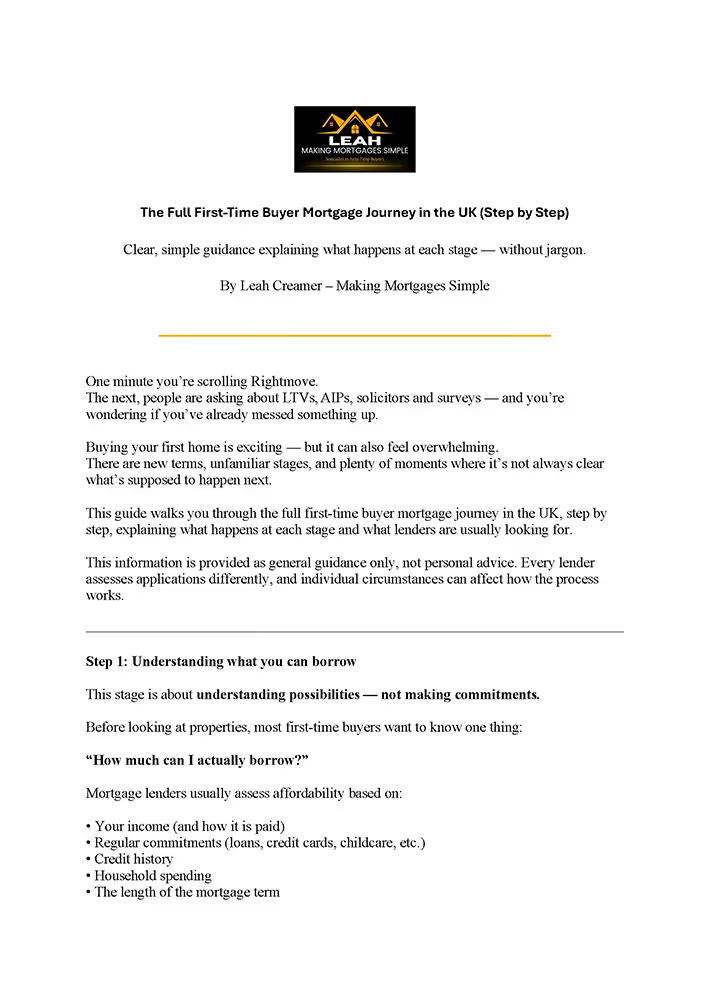
The Full First-Time Buyer Mortgage Journey in the UK (Step by Step)
A clear, step-by-step guide to the full first-time buyer mortgage journey in the UK — from understanding what you can borrow to getting your keys on completion day.
Your Deposit
Most first-time buyers need at least a 5% deposit, although putting down more can improve your options.
You can build your deposit through:
• Personal savings
• A gifted deposit from family
• Government schemes
• 100% mortgage products (if eligible)
Your deposit can affect:
• The interest rates available to you
• Your monthly payments
• The lenders you can access
Other Costs to Budget For
It’s important not to use all your savings on your deposit — there are a few additional costs to plan for.
You may need to cover:
• Solicitor and legal fees
• Property surveys
• Mortgage valuation fees
• Moving costs
• Mortgage broker fees (if applicable)
Depending on your purchase, you may also pay:
• Stamp Duty (England)
• Land Transaction Tax (Wales)
Planning for these early helps avoid surprises later on.
Discovery call
Decision in Principle
Property viewings and offer accepted
Mortgage recommendation
Full mortgage application
Mortgage offer issued
Exchange of contracts
Completion and getting your keys
You can view my full step-by-step process here:
Why First-Time Buyers Choose Me
- Specialist in first-time buyer mortgages
- Access to a wide range of UK lenders via Stonebridge Mortgage Solutions
- No ties to estate agents — your interests always come first
- Calm, friendly and jargon-free explanations
- Full support from start to finish
- Ongoing rate reviews until completion
I work directly for you — making sure you feel supported, informed and confident throughout your first home journey.
Why Use a Mortgage Broker as a First-Time Buyer?
Many first-time buyers assume going directly to their bank is the easiest option — but this can limit your choices.
Using a mortgage broker can help because:
- Some lenders only work through brokers
- Each lender has different criteria
- A declined application can affect your credit file
- Brokers understand which lenders suit your circumstances
- All paperwork and admin is managed for you
My role is to match you with a lender that fits both your situation and your property, not just the headline rate.
Free Guides for First-Time Buyers
To help you prepare, I’ve created a range of free guides covering the questions first-time buyers ask most:
.avif)
.webp)

Frequently Asked Questions
Yes — there are several options available, including:
- Gifted deposits
- Joint borrower sole proprietor mortgages
- Family-assisted lender schemes
Every option works differently, which is why personalised advice is important.
Most buyers need:
- 5% minimum deposit
- 10–15%+ for better interest rates
In general, the larger the deposit, the lower the interest rate available.
There are also schemes where you may not need a deposit at all, such as:
- 100% mortgages
- Renters’ mortgages
- £5,000 deposit schemes
These options are subject to strict lender criteria and won’t be suitable for everyone.
They are typically aimed at buyers with:
- Good credit history
- Stable income
- Strong affordability
While these schemes can be an excellent option for some first-time buyers, eligibility must always be confirmed.
👉 Unsure how much you need? My Deposit Guide explains this simply.
You’re classed as a first-time buyer if you’ve never owned a property anywhere in the world — even if it was inherited or buy-to-let.
Some lenders will allow you to re-join first-time buyer schemes if you haven’t owned a property for a certain period of time.
This can be beneficial because it may give you access to lower deposit options, improved interest rates, and first-time buyer incentives that aren’t always available to home movers.

Ready to Start Your First Home Journey?
You don’t need to understand everything before speaking to me.
My job is to explain things clearly, answer your questions honestly, and guide you through the process at a pace that feels right for you.
If you’re ready to take the first step, the best place to start is with a relaxed discovery call.